
finance

Regulating Algorithmic Trading in India: A Legal Analysis of SEBI’s 2025 Framework

Published On: May 25, 2026 Authored By: Anant Srivastava Kirit P. Mehta School of Law,NMIMS Mumbai Abstract This article examines the transformation of financial markets driven by algorithmic trading, a form of automated trading in which computer programmes execute buy and sell orders at speeds far beyond human capability. In the early era of trading, […]

Regulating Algorithmic Trading in India: A Legal Analysis of SEBI’s 2025 Framework Read More »
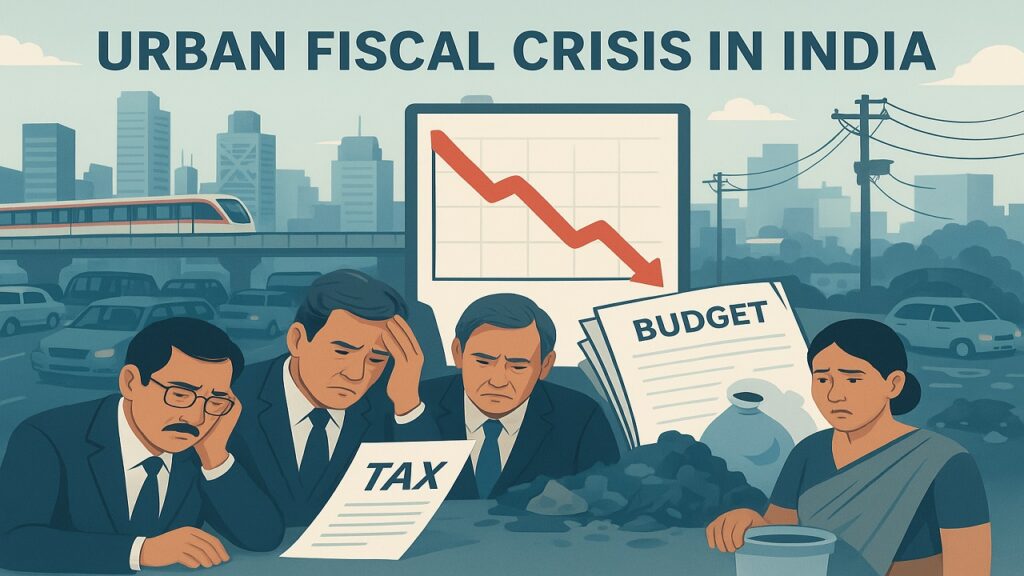
India’s Quiet Fiscal Emergency: Constitutional Accountability, Public Debt, and the Crisis No One Is Talking About

Published On: Aprill 11th 2026 Authored By: Aditi Mukherjee Manikchand Pahade Law College, Chhatrapati Sambhajinagar Abstract India’s fiscal situation warrants serious attention.[1] Throughout the year, the government has maintained that the economy is performing well and that public finances are under control.[2] However, data released by the Union Government and the Reserve Bank of India

India’s Quiet Fiscal Emergency: Constitutional Accountability, Public Debt, and the Crisis No One Is Talking About Read More »

taxes, tax office, tax return-646512.jpg

THE CONCEPT OF TAX AVOIDANCE VERSUS TAX EVASION: LEGAL BOUNDARIES AND ETHICAL DEBATES

Published On: November 4th 2025 Authored By: Vismaya P L Government Law College, Thiruvananthapuram “The difference between tax evasion and tax avoidance is the thickness of the prison wall.”[1] – Denis Healey. In the realm of taxation, tax evasion and tax avoidance are two indispensable terms. These often overlap, blurring the line separating them –

THE CONCEPT OF TAX AVOIDANCE VERSUS TAX EVASION: LEGAL BOUNDARIES AND ETHICAL DEBATES Read More »

ASSESSING THE NECESSITY OF DIGITAL TAXES IN A GLOBALIZED ECONOMY

Published On: September 30th 2025 Authored By: Bhargavi Vijay St. Joseph’s College of Law ABSTRACT The rapid expansion of the digital economy has disrupted conventional tax systems, creating challenges in jurisdiction, enforcement, and revenue collection—particularly for developing countries. In response, India introduced the Equalisation Levy in 2016, initially taxing online advertising services at 6%, and

ASSESSING THE NECESSITY OF DIGITAL TAXES IN A GLOBALIZED ECONOMY Read More »

Scroll to Top