Legal Articles

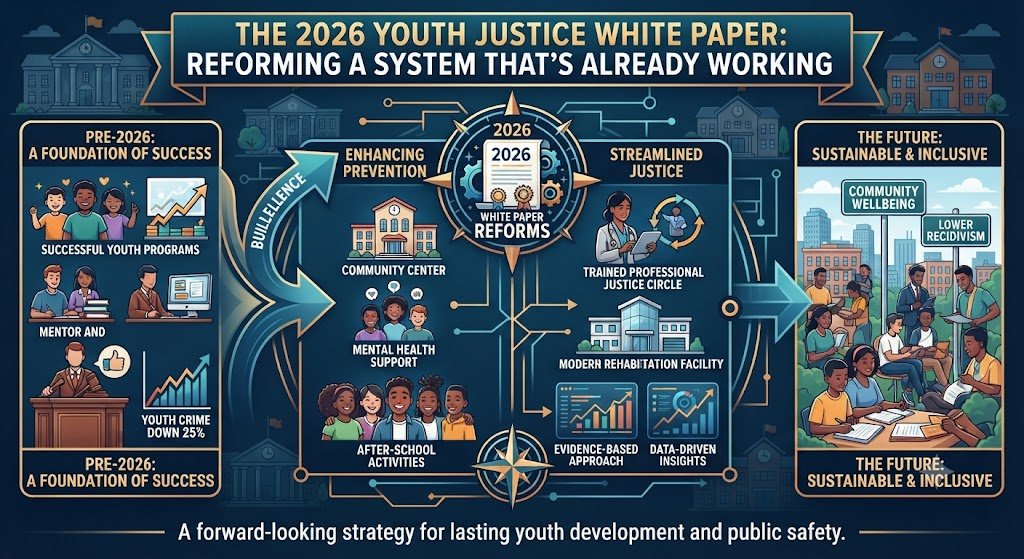
THE 2026 YOUTH JUSTICE WHITE PAPER: REFORMING A SYSTEM THAT’S ALREADY WORKING

Published On: 7th October 2026 Authored By: Catherine Joshy De Montfort University, Dubai INTRODUCTION On 18 May 2026, the Ministry of Justice published the White Paper ‘Cutting Youth Crime, Changing Young Lives’,[1] which aims to significantly reform youth justice in England and Wales.[2] Youth offending has dropped dramatically over the past two decades. Cautions and […]

THE 2026 YOUTH JUSTICE WHITE PAPER: REFORMING A SYSTEM THAT’S ALREADY WORKING Read More »
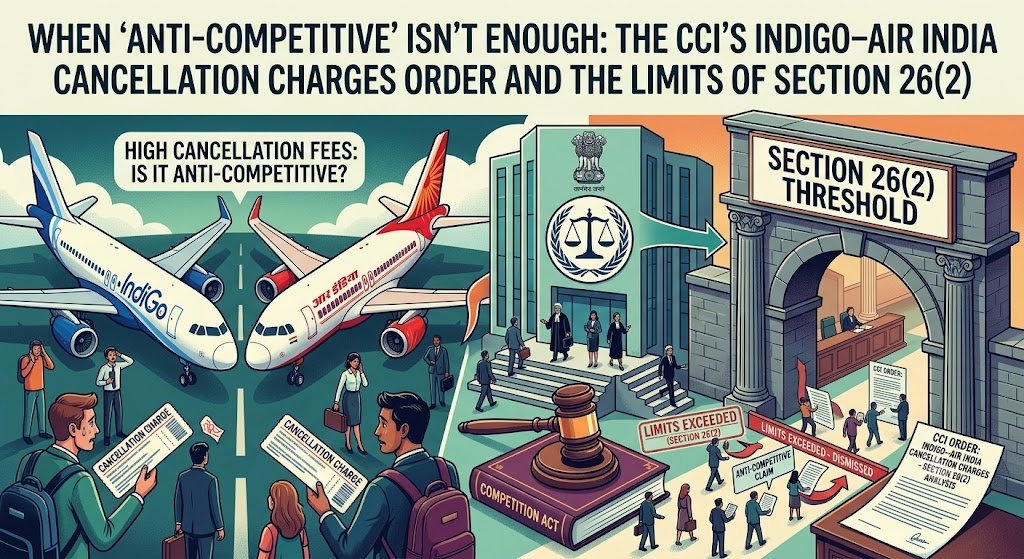
WHEN ‘ANTI-COMPETITIVE’ ISN’T ENOUGH: THE CCI’S INDIGO–AIR INDIA CANCELLATION CHARGES ORDER AND THE LIMITS OF SECTION 26(2).

Published On: 7th October 2026 Authored By: Vanshika Gupta Gitarattan International Business School, GGSIPU ABSTRACT The way the Competition Commission of India handled those cancellation fees for Air India and IndiGo back in March 2026 highlights a huge gap between laws for competition and the rules designed to protect users. A complaint was made stating

WHEN ‘ANTI-COMPETITIVE’ ISN’T ENOUGH: THE CCI’S INDIGO–AIR INDIA CANCELLATION CHARGES ORDER AND THE LIMITS OF SECTION 26(2). Read More »

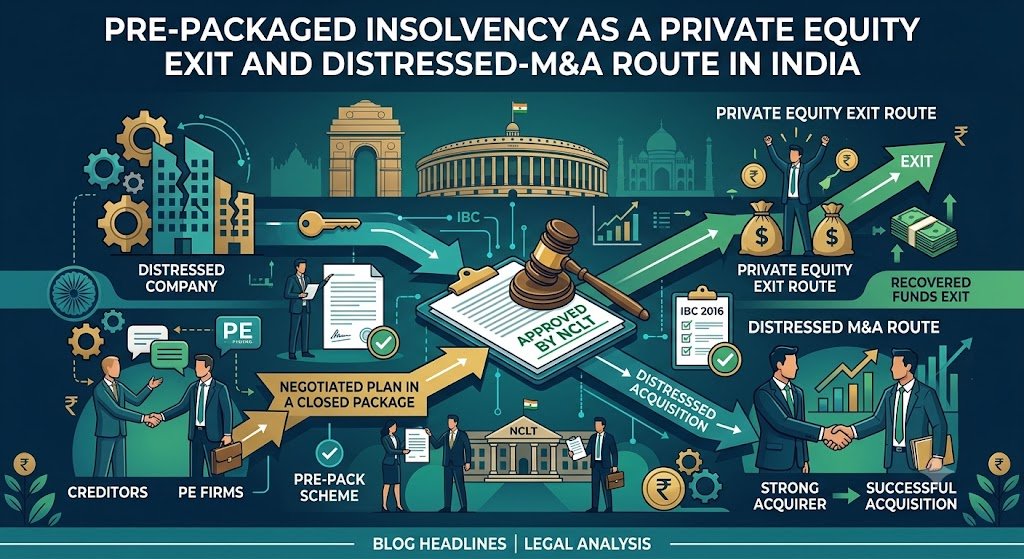
PRE-PACKAGED INSOLVENCY AS A PRIVATE EQUITY EXIT AND DISTRESSED-M&A ROUTE IN INDIA

Published On: 7th October 2026 Authored By: Pranav Raj Gitarattan International Business School, GGSIPU Introduction[1] India established its pre-packaged insolvency resolution process (PPIRP) through the 2016 Insolvency and Bankruptcy Code (IBC) to provide businesses with a faster and less disruptive method of resolving corporate insolvency compared to traditional corporate insolvency resolution process (CIRP) methods. The

PRE-PACKAGED INSOLVENCY AS A PRIVATE EQUITY EXIT AND DISTRESSED-M&A ROUTE IN INDIA Read More »

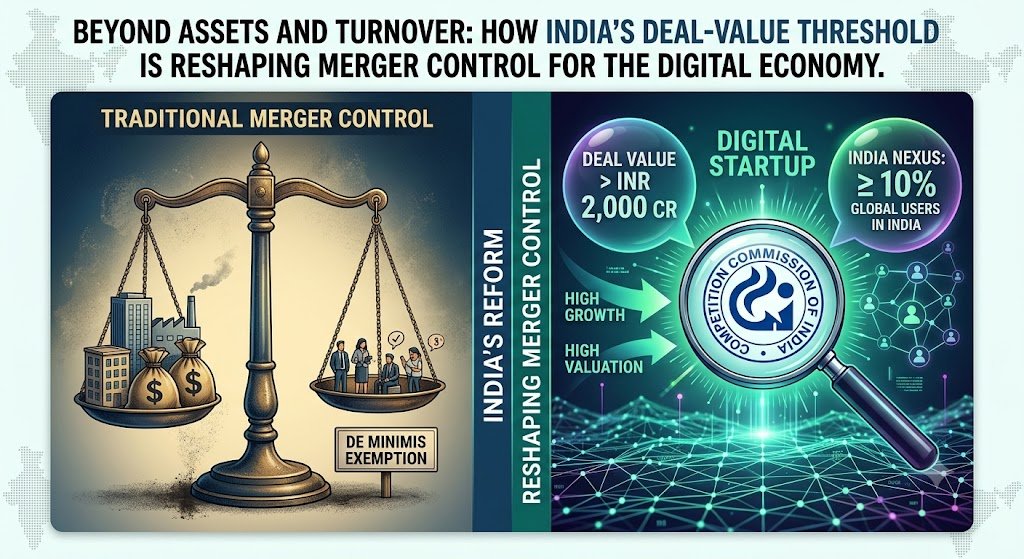
BEYOND ASSETS AND TURNOVER: HOW INDIA’S DEAL-VALUE THRESHOLD IS RESHAPING MERGER CONTROL FOR THE DIGITAL ECONOMY

Published On: 7th October 2026 Authored By: Pranav Raj Gitarattan International Business School, GGSIPU ABSTRACT The old way India handled merger control was predominantly dependent on thresholds for assets and turnover which created a real gap for regulators when high value digital companies were bought even if they had very little revenue or physical assets.

BEYOND ASSETS AND TURNOVER: HOW INDIA’S DEAL-VALUE THRESHOLD IS RESHAPING MERGER CONTROL FOR THE DIGITAL ECONOMY Read More »

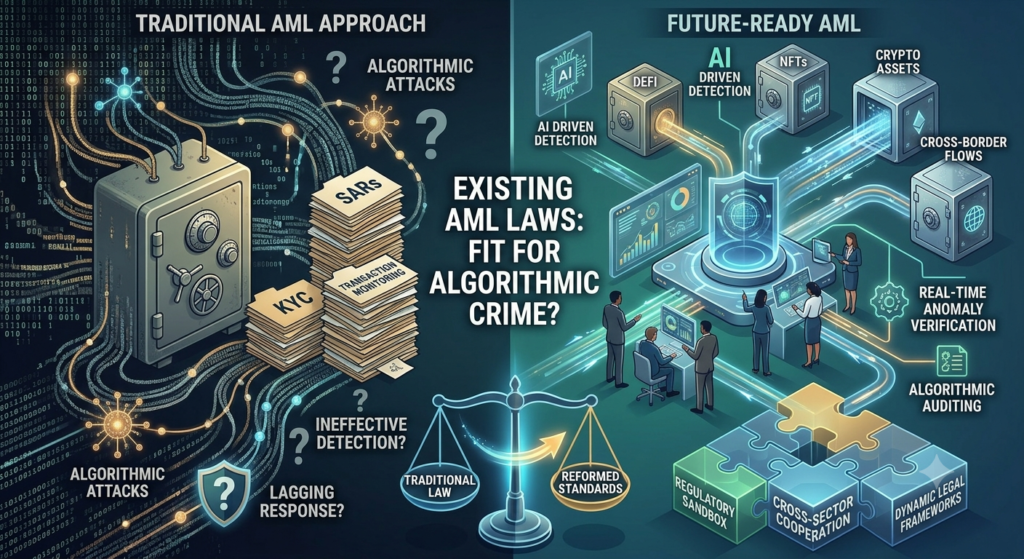
Are Existing AML Laws Fit for an Algorithmic Financial Crime Landscape?

Published on: 6th October 2026 Authored by: Khiara Beryl Cardozo University College, Dublin Abstract Traditional anti-money laundering (AML) legal frameworks were constructed upon the static assumption that criminal proceeds must enter, pass through, or conceal themselves within the physical or digital financial system via identifiable human actors.[1] Today, this foundation is severely challenged by the

Are Existing AML Laws Fit for an Algorithmic Financial Crime Landscape? Read More »

Scroll to Top