







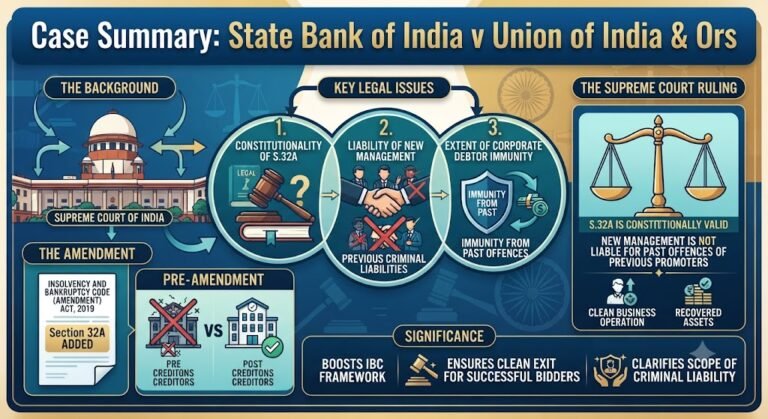
Published On: 7th October 2026 Authored By: Vanshika Gupta Gitarattan International Business School, GGSIPU Case Details Case Title: State Bank of...
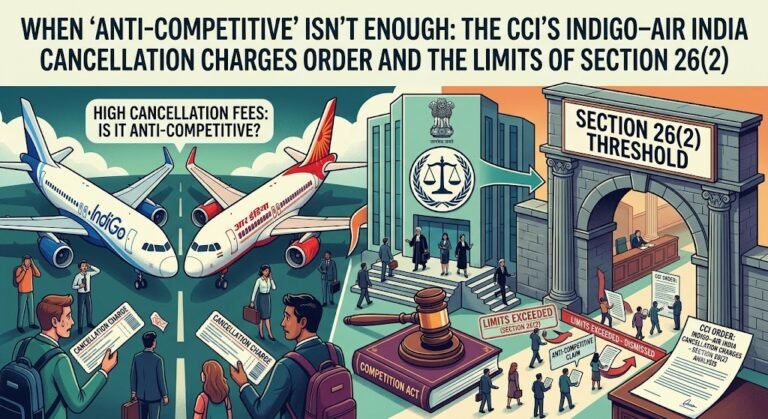
Published On: 7th October 2026 Authored By: Vanshika Gupta Gitarattan International Business School, GGSIPU ABSTRACT The way the Competition...
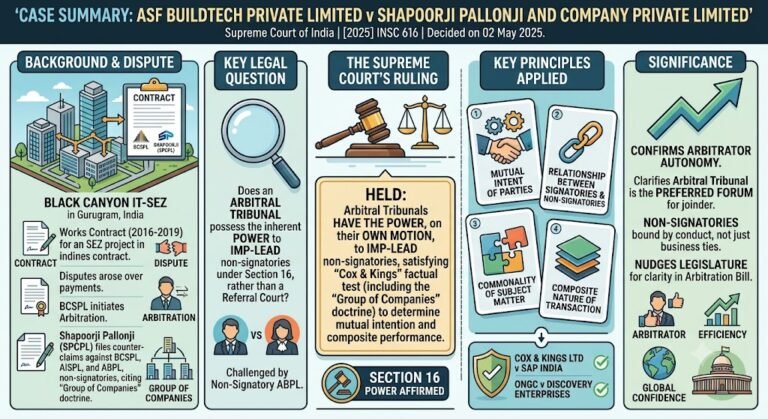
Published On: 7th October 2026 Authored By: Pranav Raj Gitarattan International Business School, GGSIPU CASE DETAILS Case Title: ASF Buildtech Private...
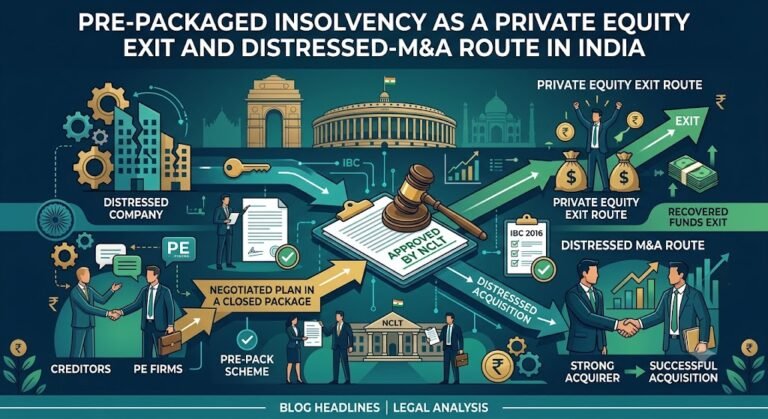
Published On: 7th October 2026 Authored By: Pranav Raj Gitarattan International Business School, GGSIPU Introduction India established its...




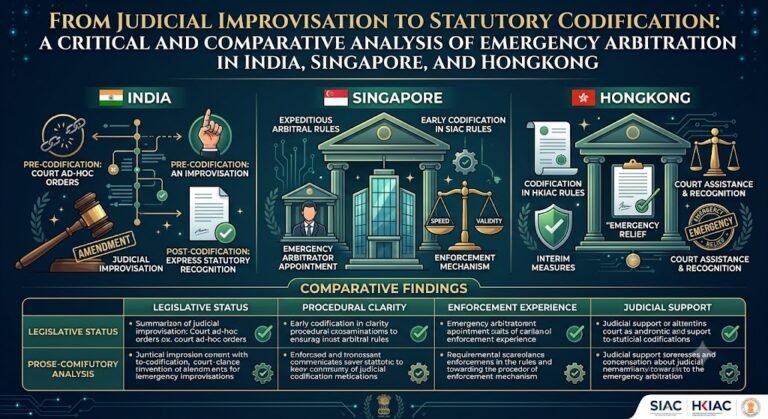
Published On: 22nd October 2026 Authored By: Anupma Law College Dhanbad BBMKU I. INTRODUCTION AND...

Published On: October 18, 2026 Authored By: Anu S Binny Mar Gregorios College of Law. (Kerala...

Published On: October 15, 2026 Authored By: Madhvi Madaan National Law University, Sonipat Abstract...
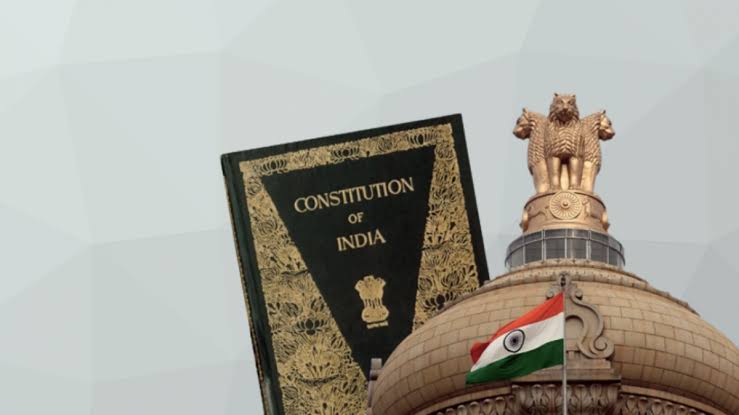
Published On: October 15, 2026 Authored By: Madhvi Madaan National Law University, Sonipat...

Published On: October 15, 2026 Authored By: Priscille Mabwa Mbongo Abstract The growing use of...

Published On: October 15, 2026 Authored By: Priscille Mabwa Mbongo Abstract The International...

Published On: october 15, 2026 Authored By: Anu S Binny Mar Gregorios College of Law. (Kerala...

Published On: October 15, 2026 Authored By: Vaidehi Pandey University of Nottingham Deepfakes gained...
Published On: October 15, 2026 Authored By: Vaidehi Pandey University of Nottingham A democracy is...


